Spanish Patatas Bravas
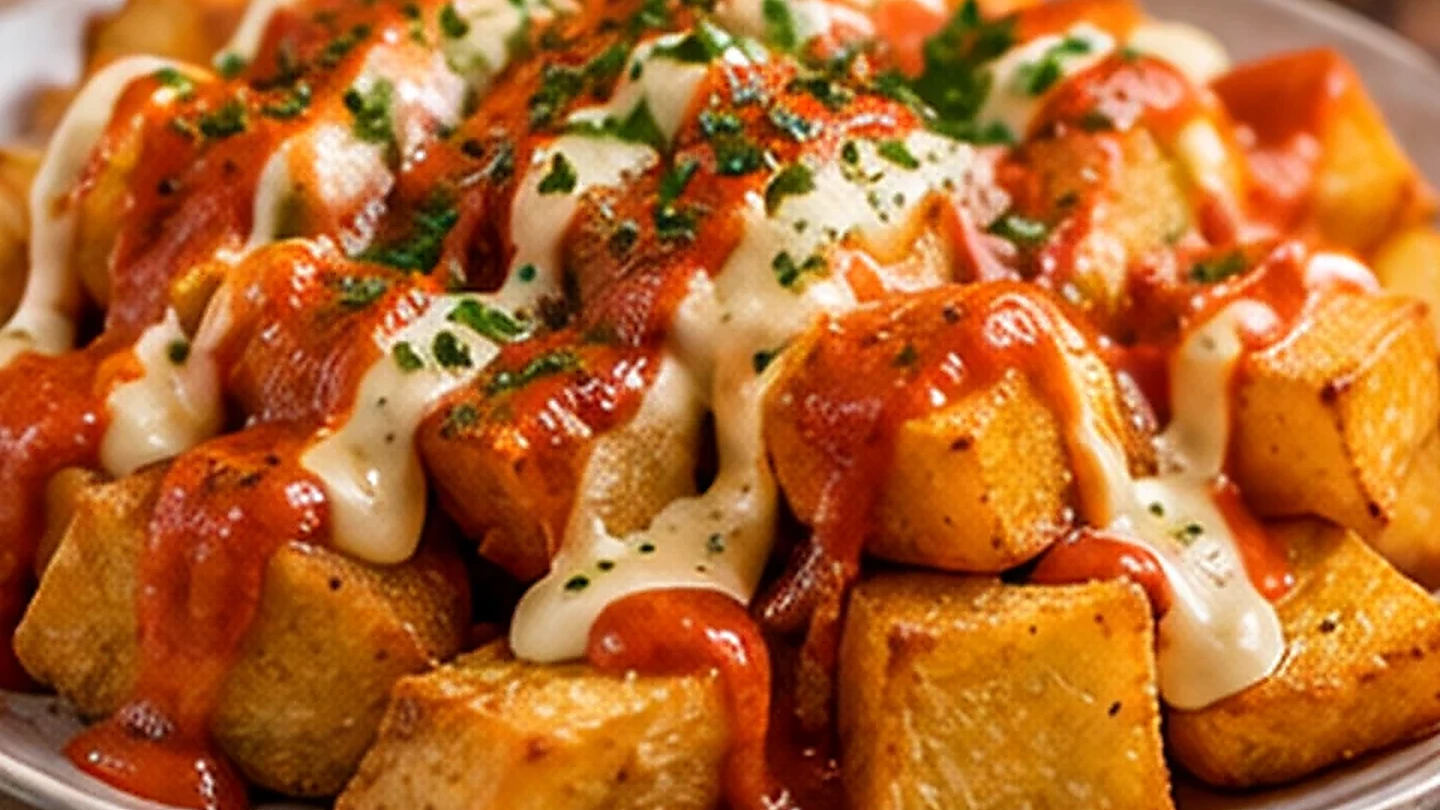
Crisp potato cubes served with a smoky, gently spicy tomato bravas sauce; garlic aioli is optional.
Ingredients
Check each ingredient as you prepare it.
Step-by-step instructions
Cut potatoes into medium cubes and parboil in salted water for 5 minutes; drain.
Dry, toss with oil and salt, then roast at 220°C / 425°F until crisp.
Briefly sauté garlic, then add paprika, chili, tomatoes and vinegar.
Simmer for 10 minutes until thick and adjust seasoning.
Serve hot with the sauce and optional aioli.
✦ Tips for success
- Dry potatoes after parboiling.
- Serve sauce separately to keep maximum crunch.
⚠ Common mistakes to avoid
- Crowding makes potatoes steam.
- Adding sauce too early softens them.
Substitutions and ideas
- Fry potatoes instead of roasting.
- Use regular paprika if smoked is unavailable.
Serving suggestions
Serve hot as a tapas-style starter, with bravas sauce and aioli on the side.
Storage and reheating
Refrigerate potatoes and sauce separately for two days. Re-crisp potatoes in the oven.
Frequently asked questions
Can Spanish Patatas Bravas be prepared ahead?
Some components can be prepared and refrigerated in advance; finish the final cooking close to serving for the best texture. Dry potatoes after parboiling.
What are suitable ingredient substitutions for Spanish Patatas Bravas?
Fry potatoes instead of roasting. Use regular paprika if smoked is unavailable.
You may also like
 Spanish Seafood Paella🇪🇸 Spanish Cuisine
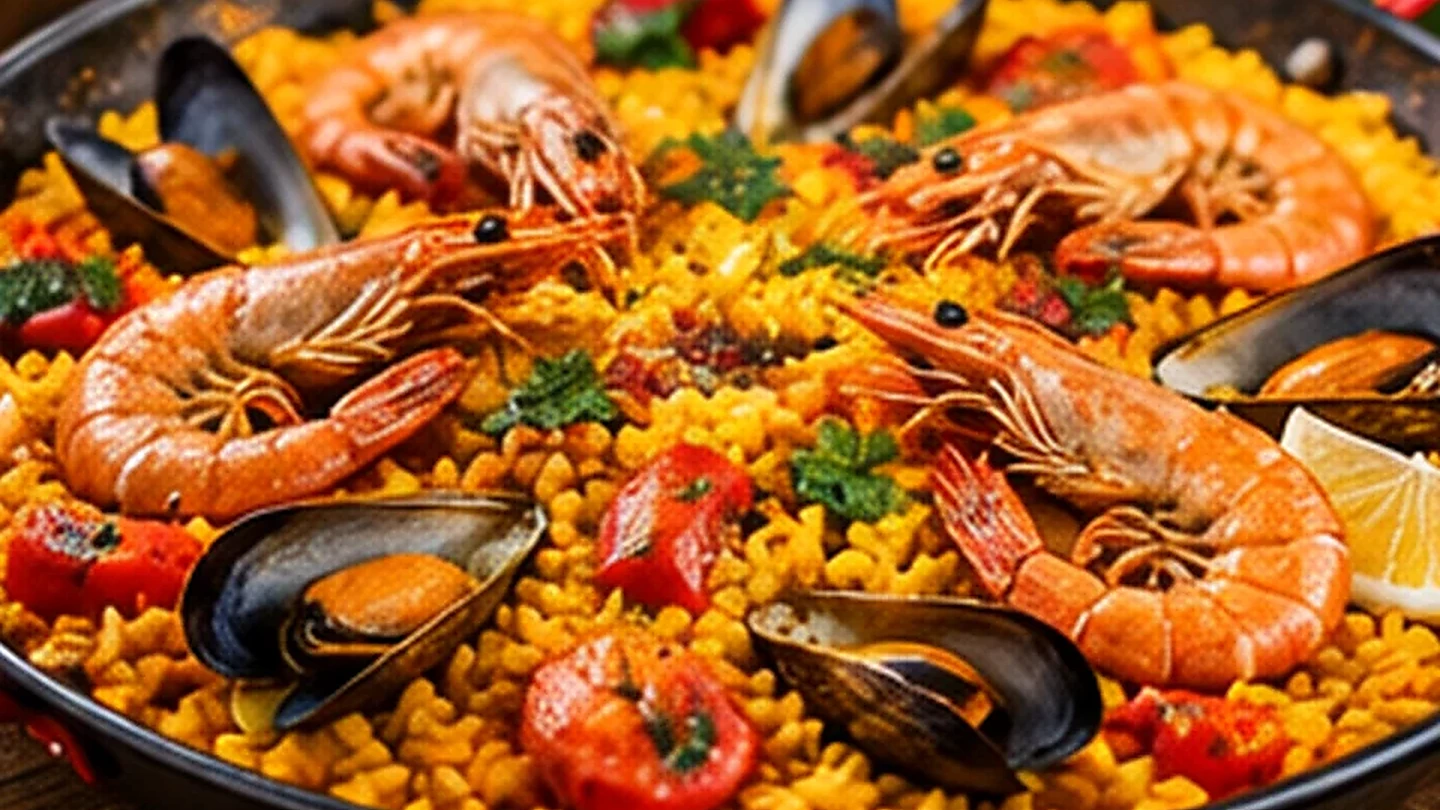
Spanish Seafood Paella
Short-grain rice cooked in a wide pan with saffron, stock and seafood, without stirring after the liquid is added.
 Spanish Tortilla de Patatas🇪🇸 Spanish Cuisine
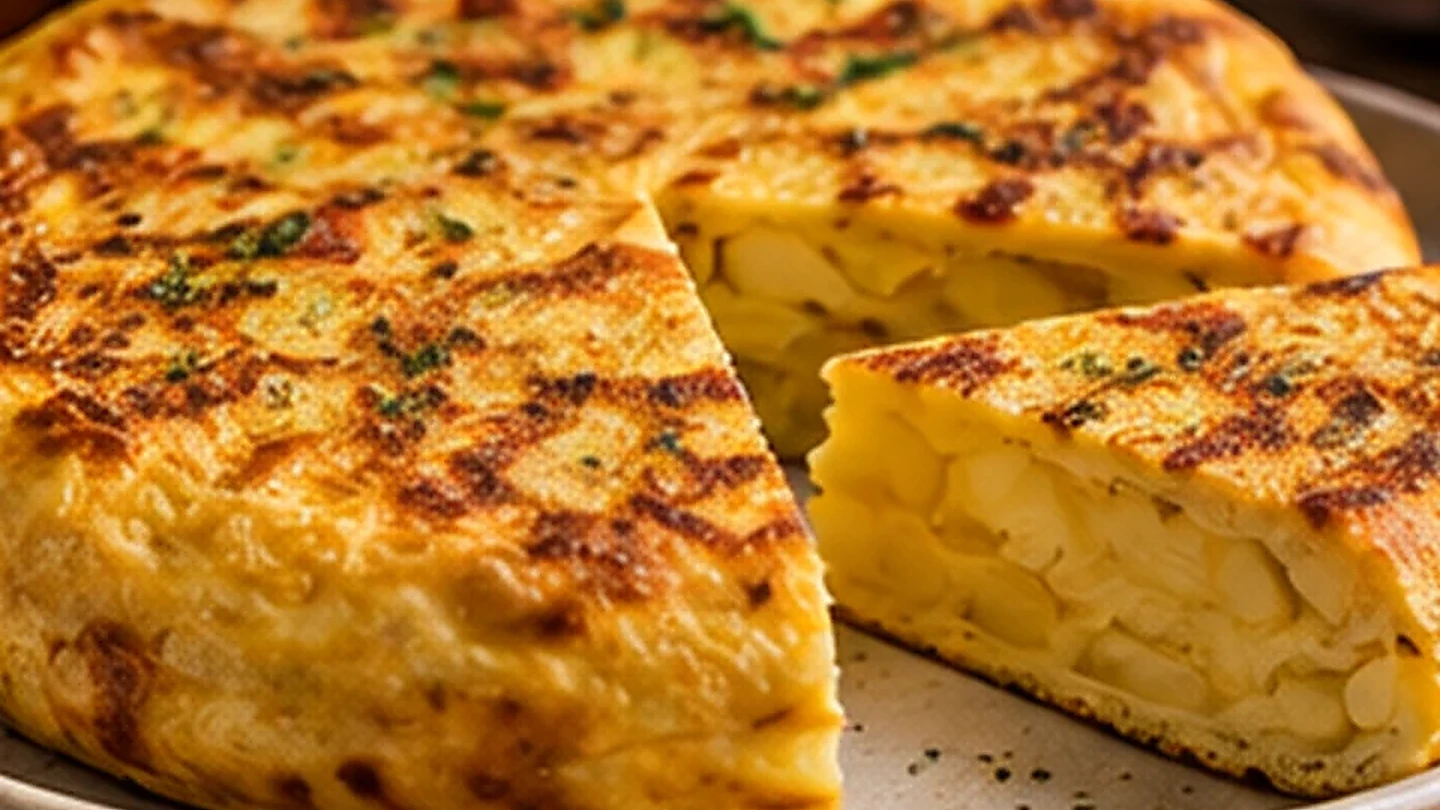
Spanish Tortilla de Patatas
A thick Spanish omelette of potatoes, onion and eggs, gently cooked and flipped to form a golden exterior.
 Spanish Gazpacho🇪🇸 Spanish Cuisine
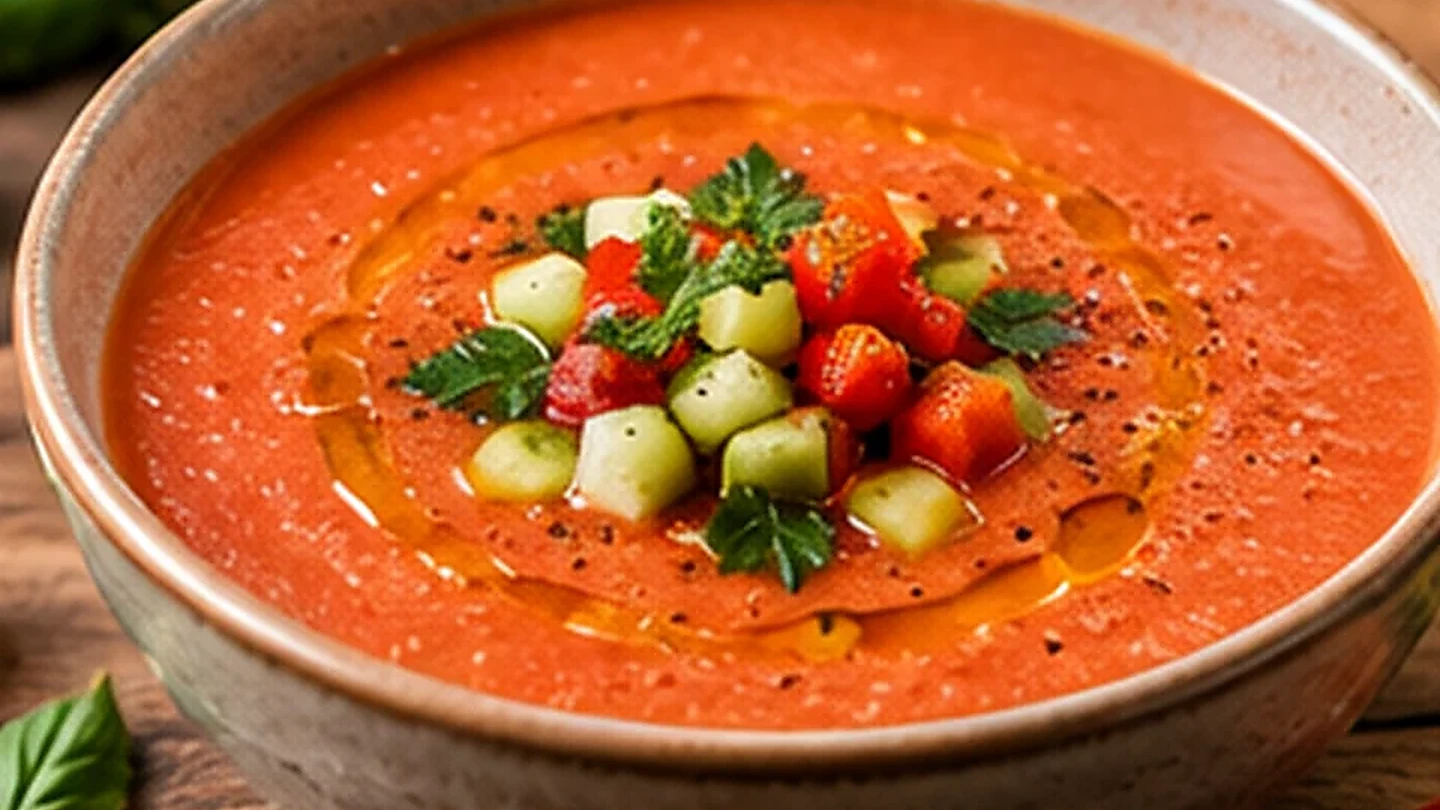
Spanish Gazpacho
A chilled blend of tomatoes, cucumber, pepper, bread and olive oil, served as a refreshing summer starter.
Note: Cooking times are estimates and vary with ingredient size, equipment and oven calibration. Follow doneness cues and use a food thermometer for meat and poultry.