Spanish Gazpacho
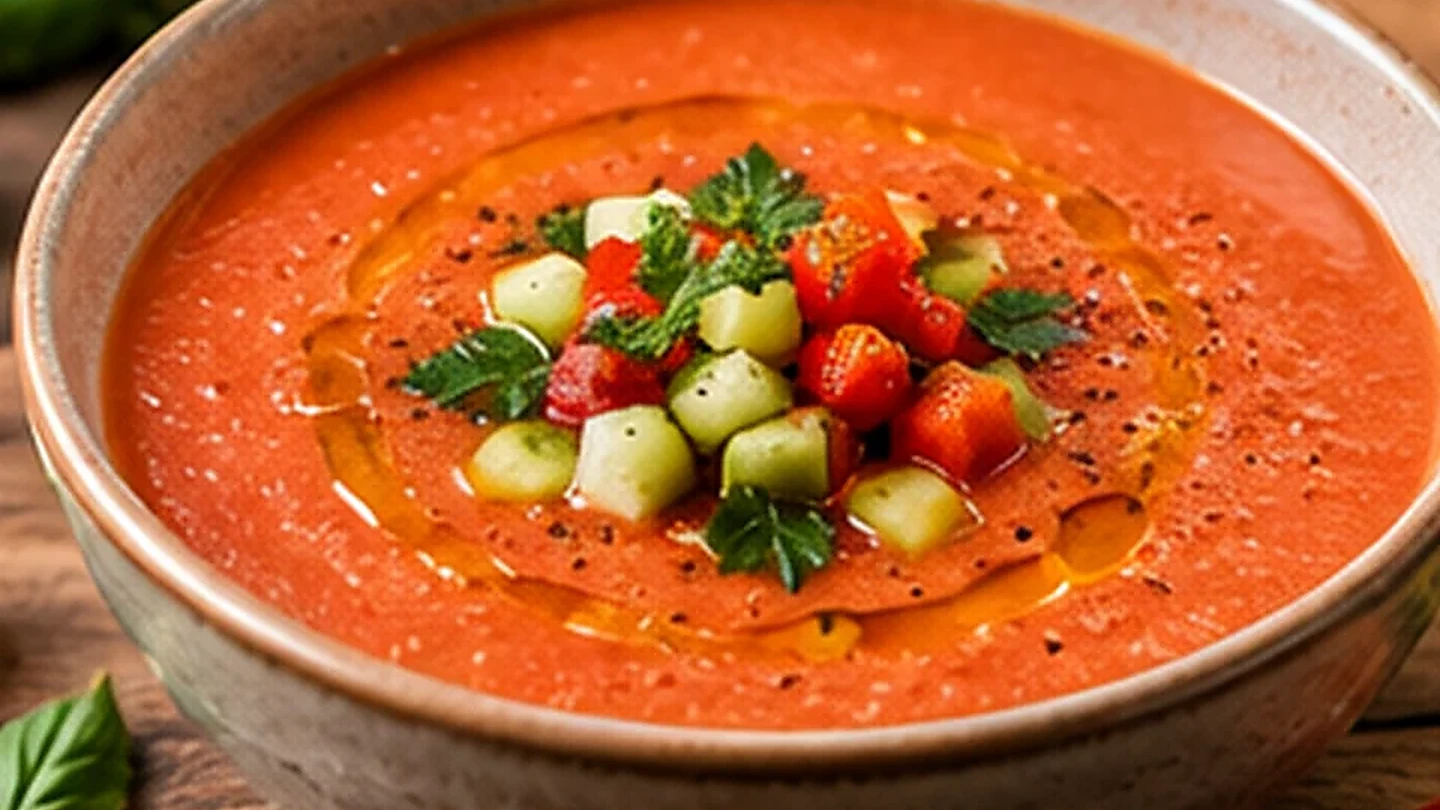
A chilled blend of tomatoes, cucumber, pepper, bread and olive oil, served as a refreshing summer starter.
Ingredients
Check each ingredient as you prepare it.
Step-by-step instructions
Roughly chop tomatoes, cucumber, pepper and onion.
Soak bread in a little water until soft, then squeeze it out.
Blend vegetables, garlic, bread and vinegar until smooth.
Drizzle in olive oil while blending; adjust salt and thickness with cold water.
Strain if desired and chill for at least two hours before serving.
✦ Tips for success
- Use ripe, flavorful tomatoes.
- Chilling gives the flavors time to meld.
⚠ Common mistakes to avoid
- Too much vinegar overwhelms tomatoes.
- Adding all oil at once can make it harder to emulsify.
Substitutions and ideas
- Omit bread or use gluten-free bread.
- Add diced cucumber as garnish.
Serving suggestions
Serve very cold in small bowls with diced cucumber, tomato and a drizzle of olive oil.
Storage and reheating
Store airtight in the refrigerator for up to two days; stir before serving.
Frequently asked questions
Can Spanish Gazpacho be prepared ahead?
Some components can be prepared and refrigerated in advance; finish the final cooking close to serving for the best texture. Use ripe, flavorful tomatoes.
What are suitable ingredient substitutions for Spanish Gazpacho?
Omit bread or use gluten-free bread. Add diced cucumber as garnish.
You may also like
 Spanish Seafood Paella🇪🇸 Spanish Cuisine
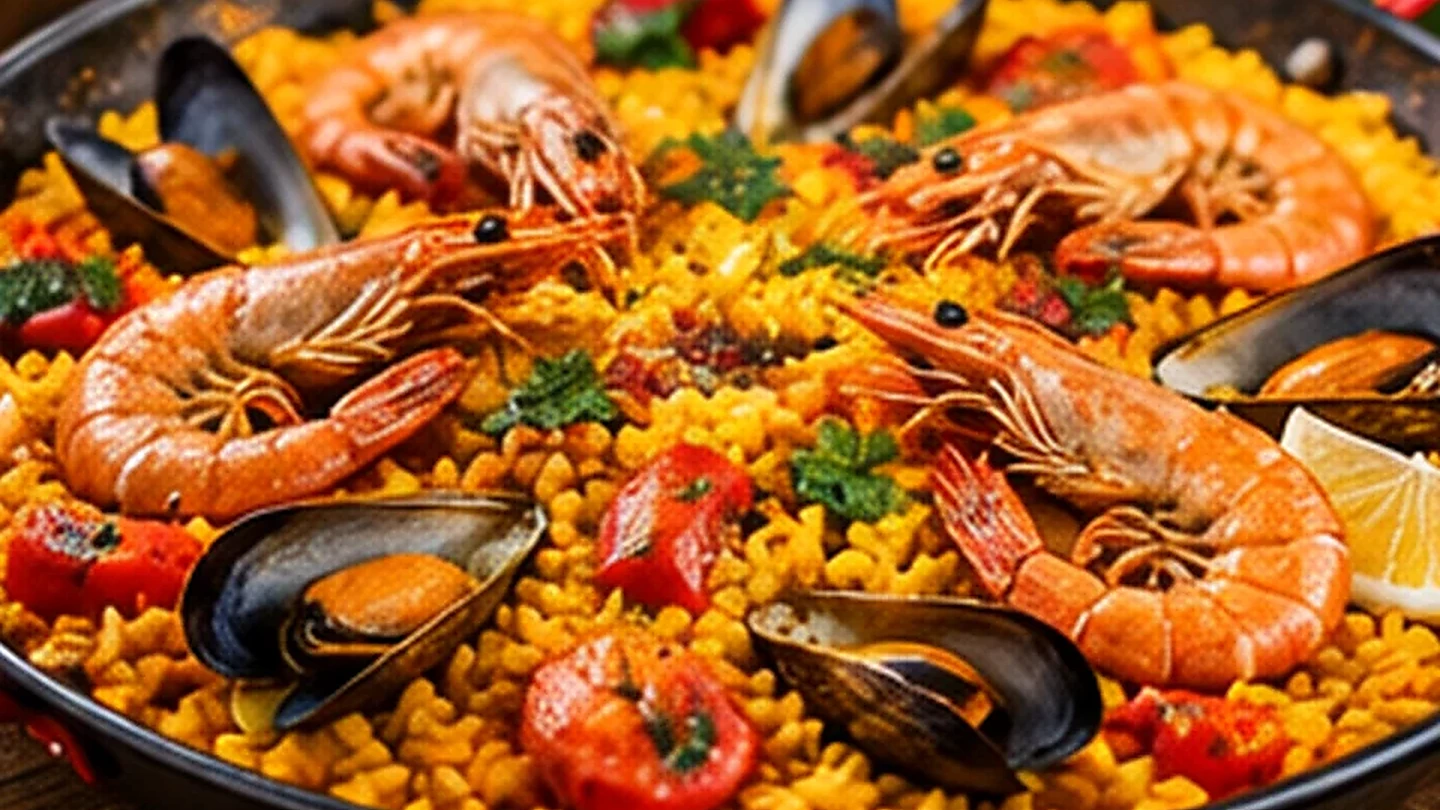
Spanish Seafood Paella
Short-grain rice cooked in a wide pan with saffron, stock and seafood, without stirring after the liquid is added.
 Spanish Tortilla de Patatas🇪🇸 Spanish Cuisine
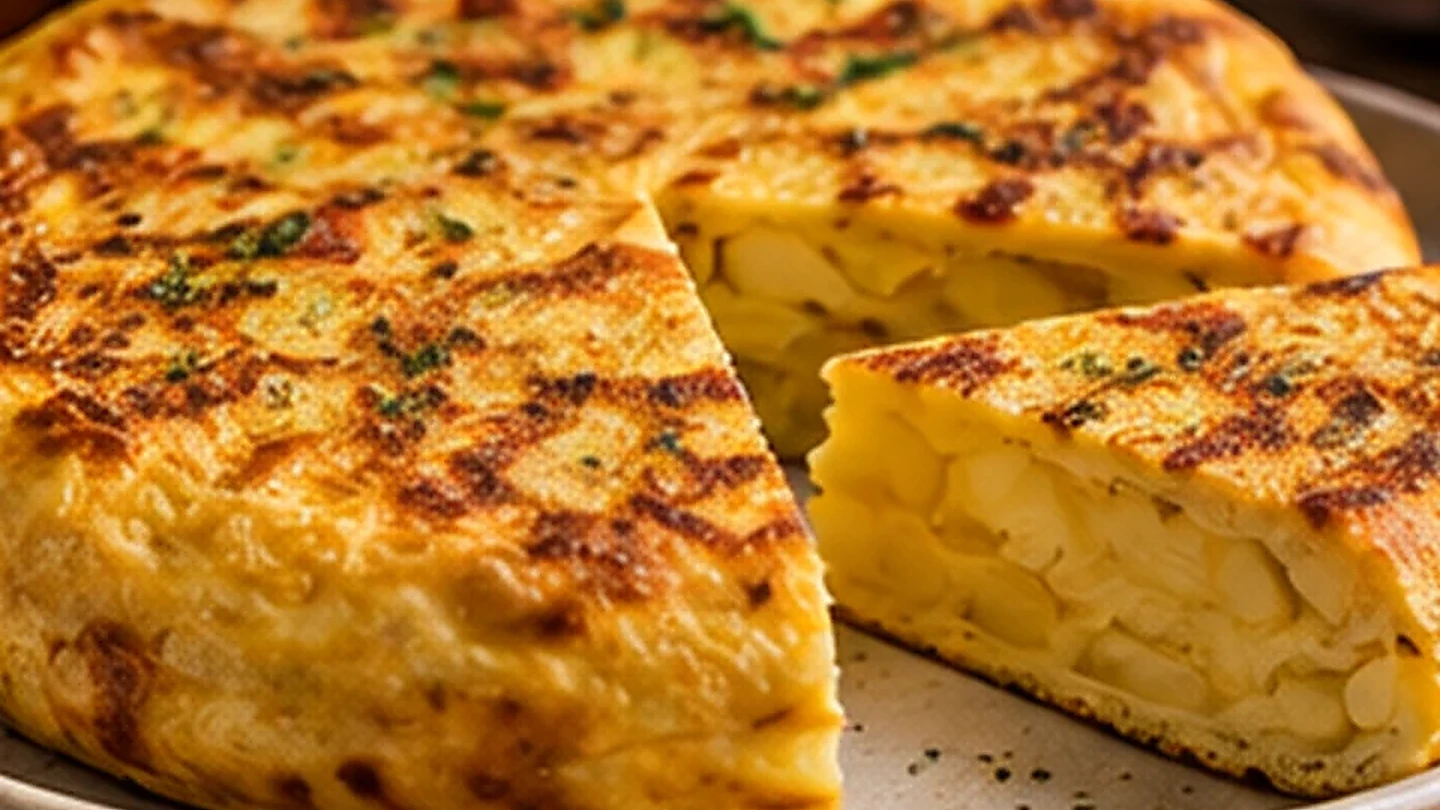
Spanish Tortilla de Patatas
A thick Spanish omelette of potatoes, onion and eggs, gently cooked and flipped to form a golden exterior.
 Spanish Patatas Bravas🇪🇸 Spanish Cuisine
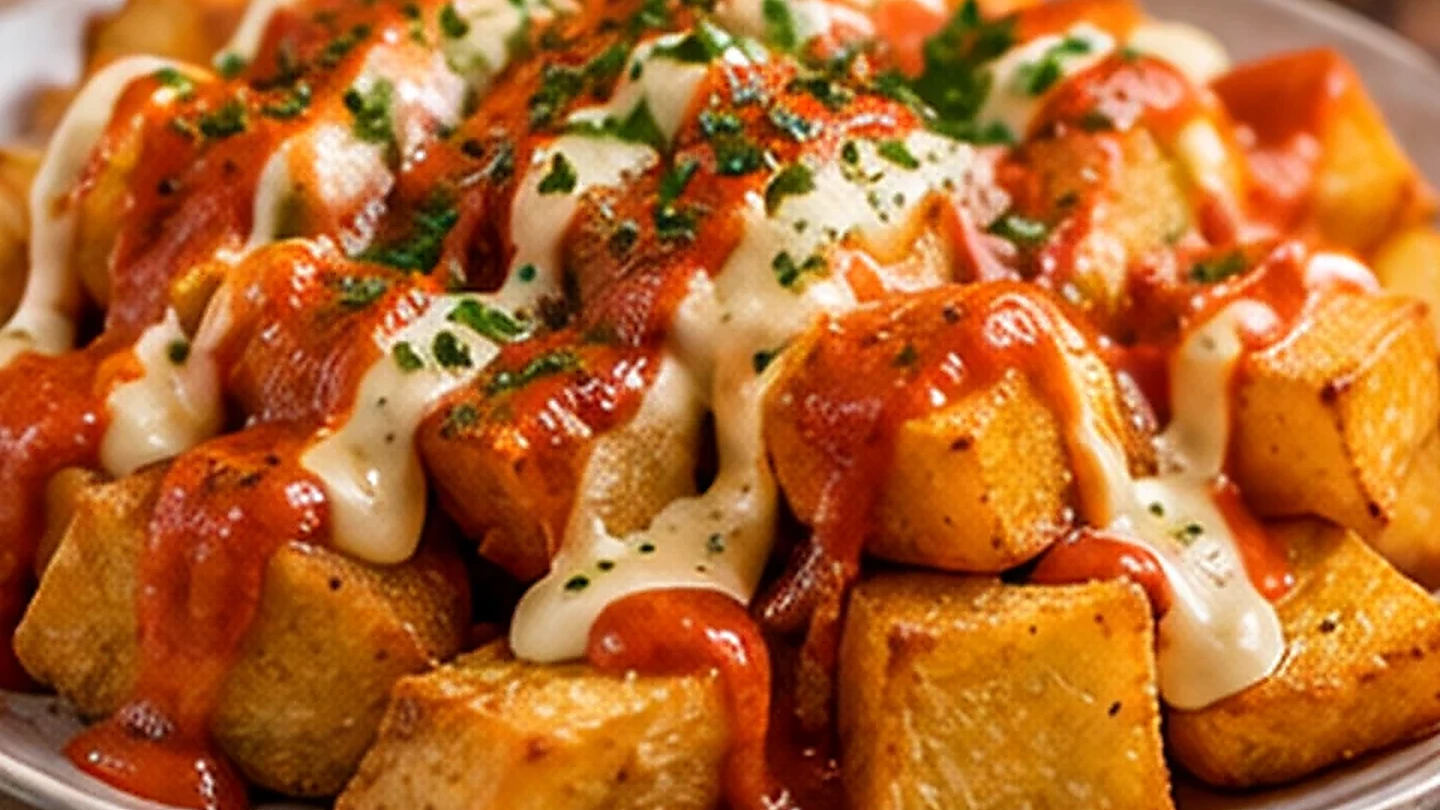
Spanish Patatas Bravas
Crisp potato cubes served with a smoky, gently spicy tomato bravas sauce; garlic aioli is optional.
Note: Cooking times are estimates and vary with ingredient size, equipment and oven calibration. Follow doneness cues and use a food thermometer for meat and poultry.