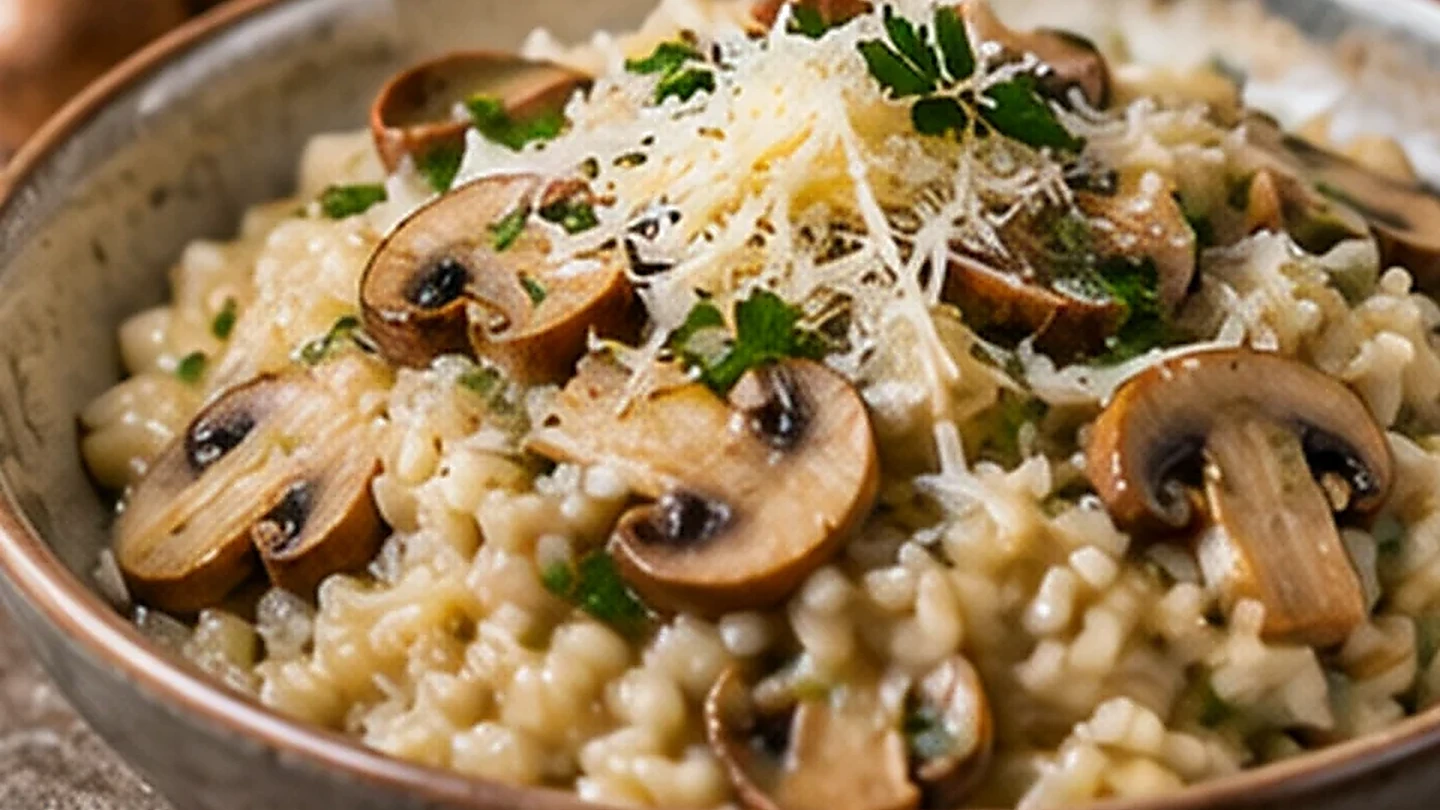
Italian Mushroom Risotto
Arborio rice cooked gradually with hot stock and browned mushrooms, finished with butter and Parmesan for creaminess without cream.
Ingredients
Check each ingredient as you prepare it.
Step-by-step instructions
Brown mushrooms in a skillet with a little oil and set aside.
Cook onion until soft, add rice and stir for one minute until glossy.
Add optional liquid, then a ladle of hot stock while stirring.
Continue adding stock one ladle at a time as the rice absorbs it, for 18–20 minutes.
Return mushrooms, remove from heat and fold in butter and Parmesan; loosen with stock if needed.
✦ Tips for success
- Keep stock hot.
- Serve risotto immediately while still fluid.
⚠ Common mistakes to avoid
- Adding all stock at once removes control.
- Cooking until completely dry makes risotto heavy.
Substitutions and ideas
- Use vegetable stock.
- Grana Padano can replace Parmesan.
Serving suggestions
Serve immediately on warm shallow plates with Parmesan, black pepper and parsley.
Storage and reheating
Risotto is best fresh. Refrigerate leftovers for one day and reheat with stock to loosen.
Frequently asked questions
Can Italian Mushroom Risotto be prepared ahead?
Some components can be prepared and refrigerated in advance; finish the final cooking close to serving for the best texture. Keep stock hot.
What are suitable ingredient substitutions for Italian Mushroom Risotto?
Use vegetable stock. Grana Padano can replace Parmesan.
You may also like
 Italian Lasagna Bolognese🇮🇹 Italian Cuisine
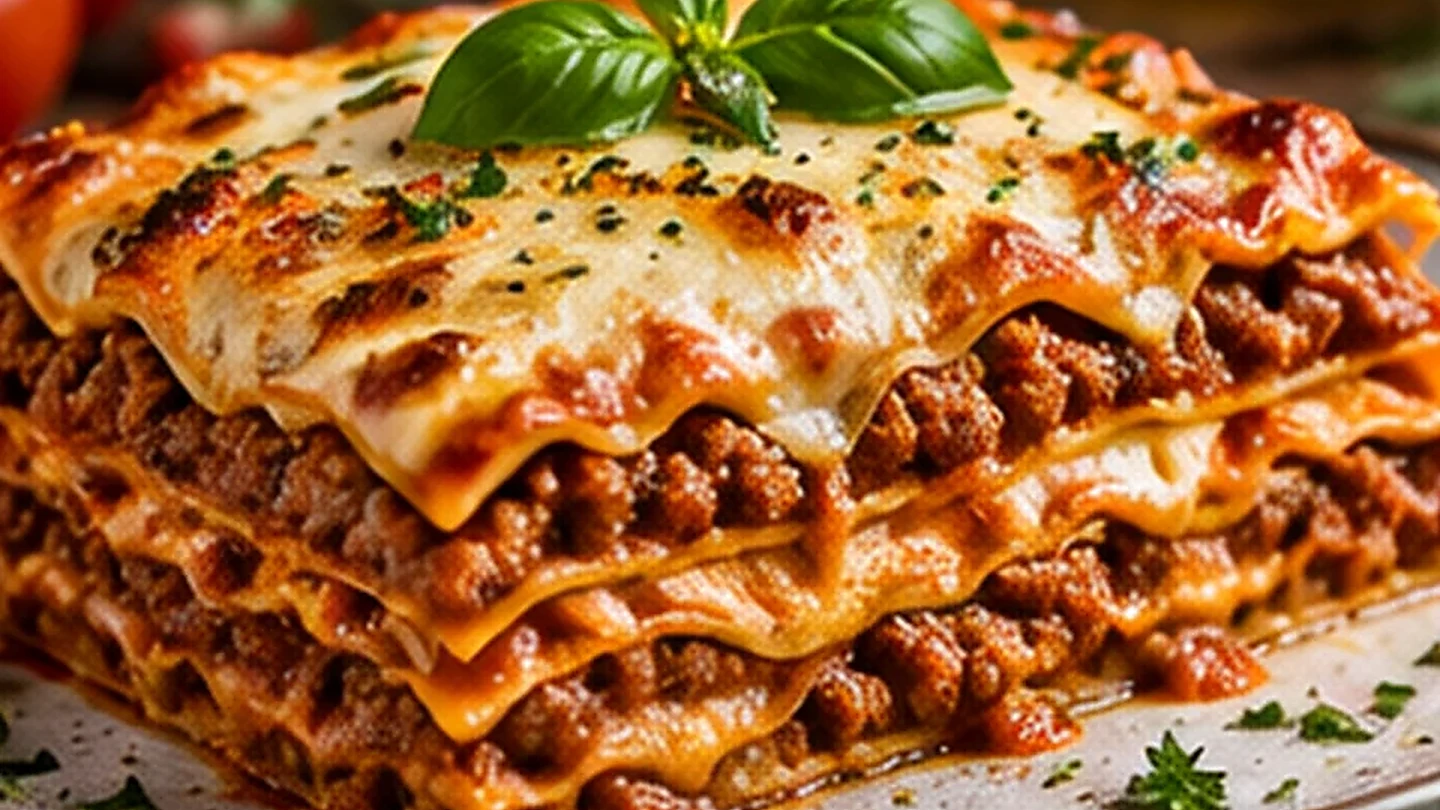
Italian Lasagna Bolognese
Layers of pasta, meat ragù, béchamel and cheese baked until set and golden.
 Italian Spaghetti Carbonara🇮🇹 Italian Cuisine
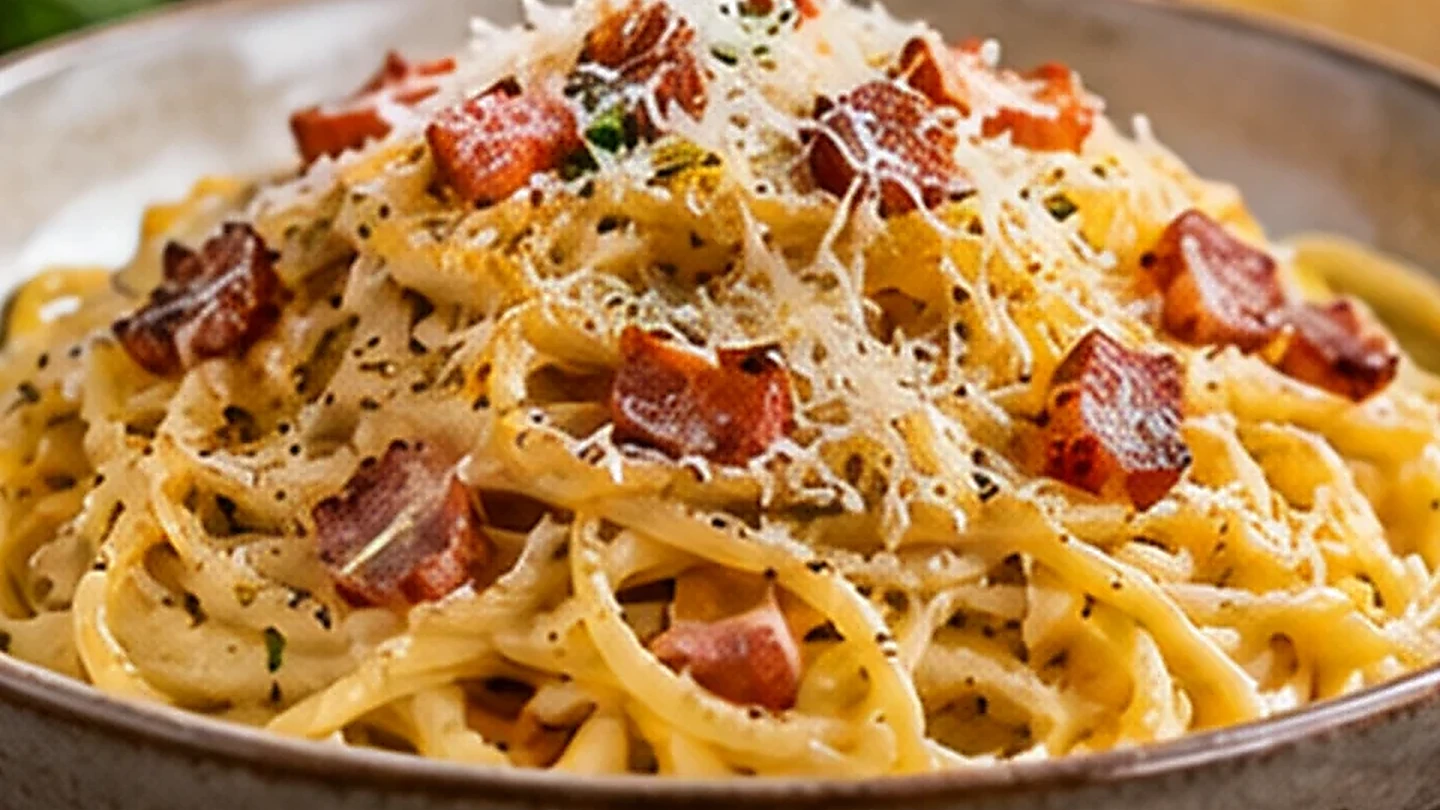
Italian Spaghetti Carbonara
Spaghetti coated in a silky egg, cheese and pasta-water emulsion with crisp smoked beef or turkey as a pork-free home-kitchen adaptation—no cream needed.
 Italian Margherita Pizza🇮🇹 Italian Cuisine
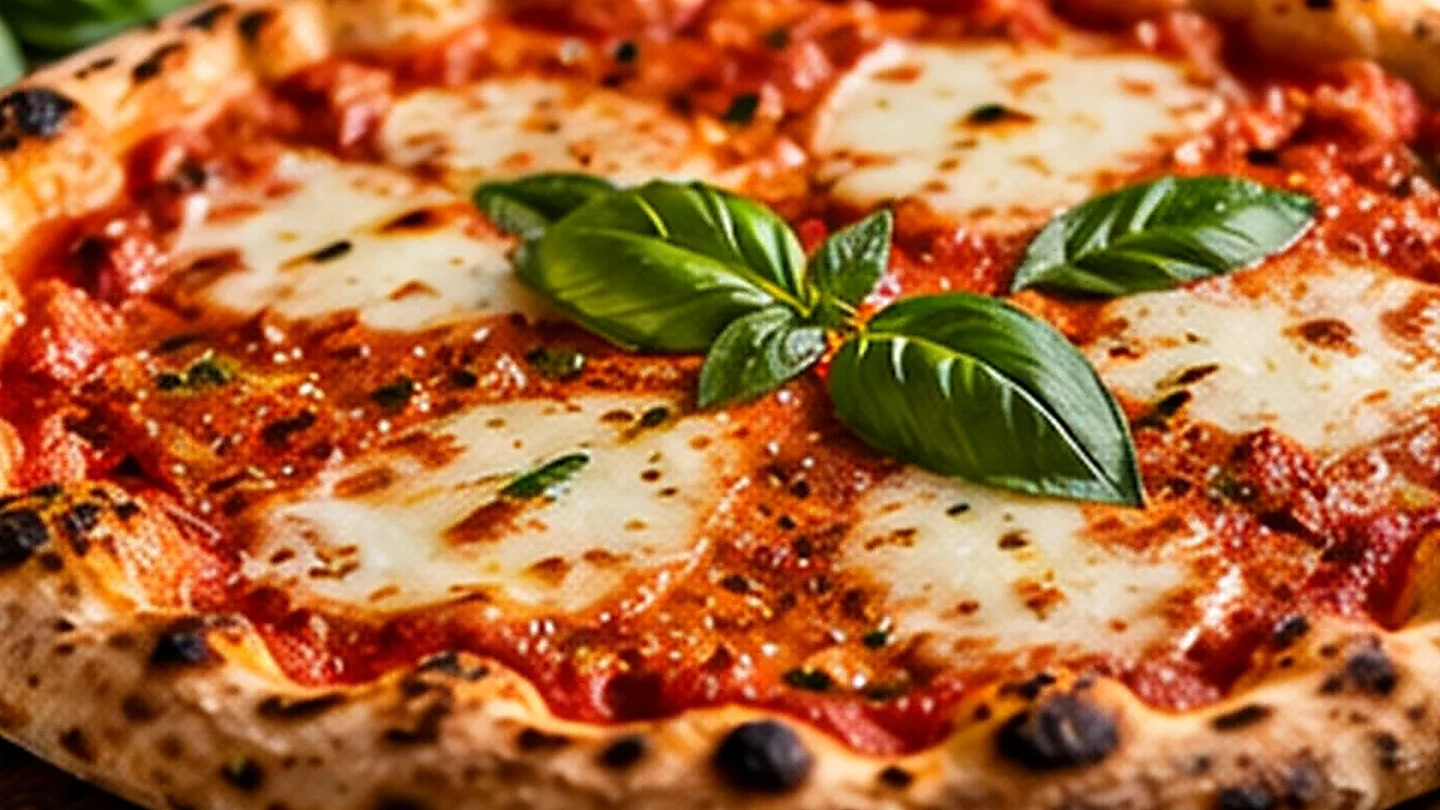
Italian Margherita Pizza
Fermented pizza dough topped simply with tomato, mozzarella, basil and olive oil, baked in a very hot oven.
Note: Cooking times are estimates and vary with ingredient size, equipment and oven calibration. Follow doneness cues and use a food thermometer for meat and poultry.