Egyptian Molokhia with Chicken
Finely chopped jute leaves simmered in seasoned chicken broth and finished with a fragrant garlic-coriander ta’leya; serve with rice or flatbread.
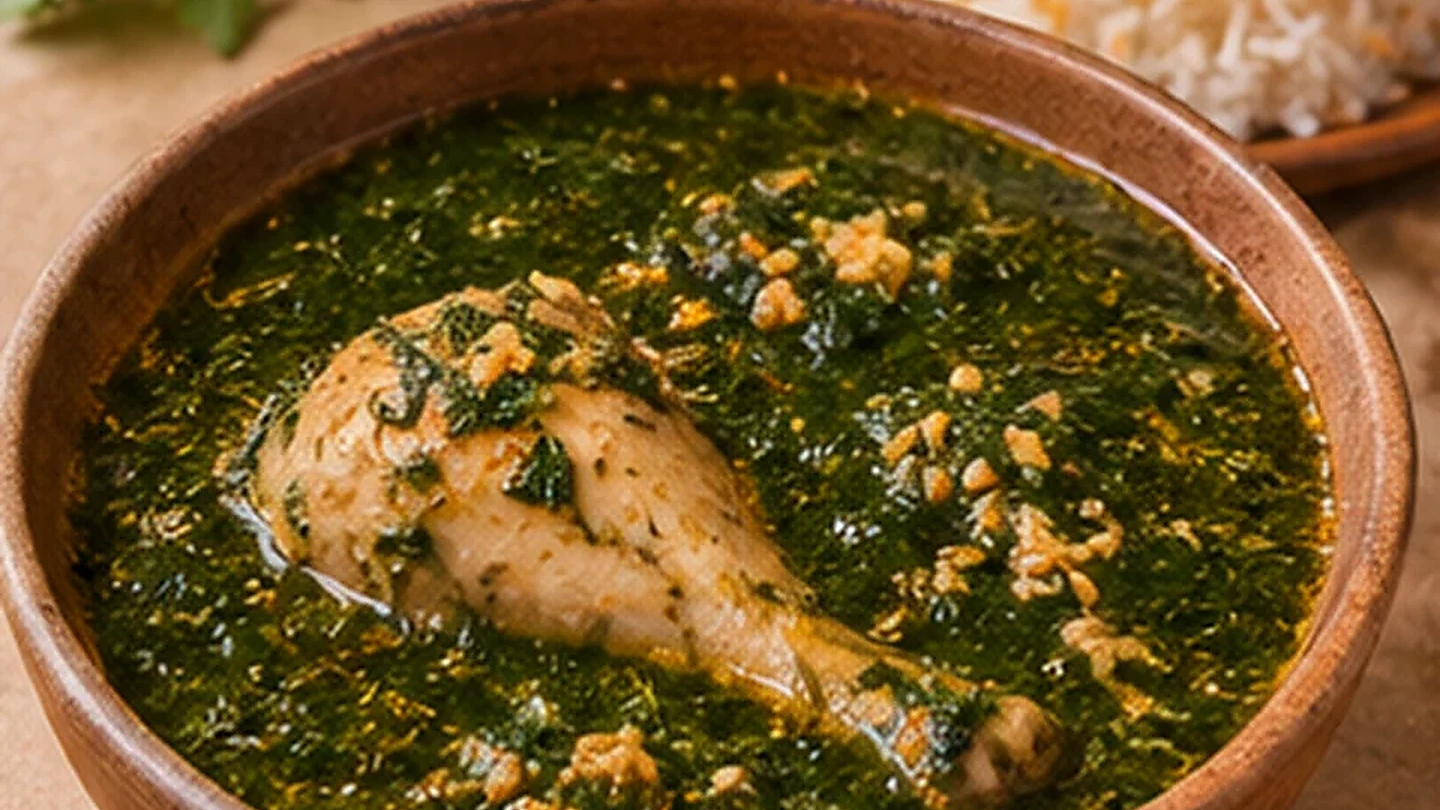
Ingredients
Check each ingredient as you prepare it.
Step-by-step instructions
Simmer chicken with onion, bay leaves, cardamom and salt until cooked; strain the broth.
Bring broth to a gentle simmer, add molokhia and stir until smooth; avoid a hard boil.
Crush garlic and mix with ground coriander.
Sauté the garlic-coriander mixture in ghee until fragrant and lightly golden.
Stir the ta’leya into the molokhia, adjust seasoning and serve with chicken and rice.
✦ Tips for success
- Use hot, flavorful broth for balanced texture.
- Avoid a vigorous boil after adding the garlic finish.
⚠ Common mistakes to avoid
- Adding molokhia to cold broth can make it harder to combine.
- Over-browning garlic makes it bitter.
Substitutions and ideas
- Vegetable stock can replace chicken broth.
- Clarified butter can replace ghee, with a different flavor.
Serving suggestions
Serve with plain rice and the poached chicken; offer lemon wedges and baladi bread alongside.
Storage and reheating
Cool promptly and refrigerate for 2–3 days. Reheat gently without a prolonged boil.
Frequently asked questions
Can Egyptian Molokhia with Chicken be prepared ahead?
Some components can be prepared and refrigerated in advance; finish the final cooking close to serving for the best texture. Use hot, flavorful broth for balanced texture.
What are suitable ingredient substitutions for Egyptian Molokhia with Chicken?
Vegetable stock can replace chicken broth. Clarified butter can replace ghee, with a different flavor.
You may also like
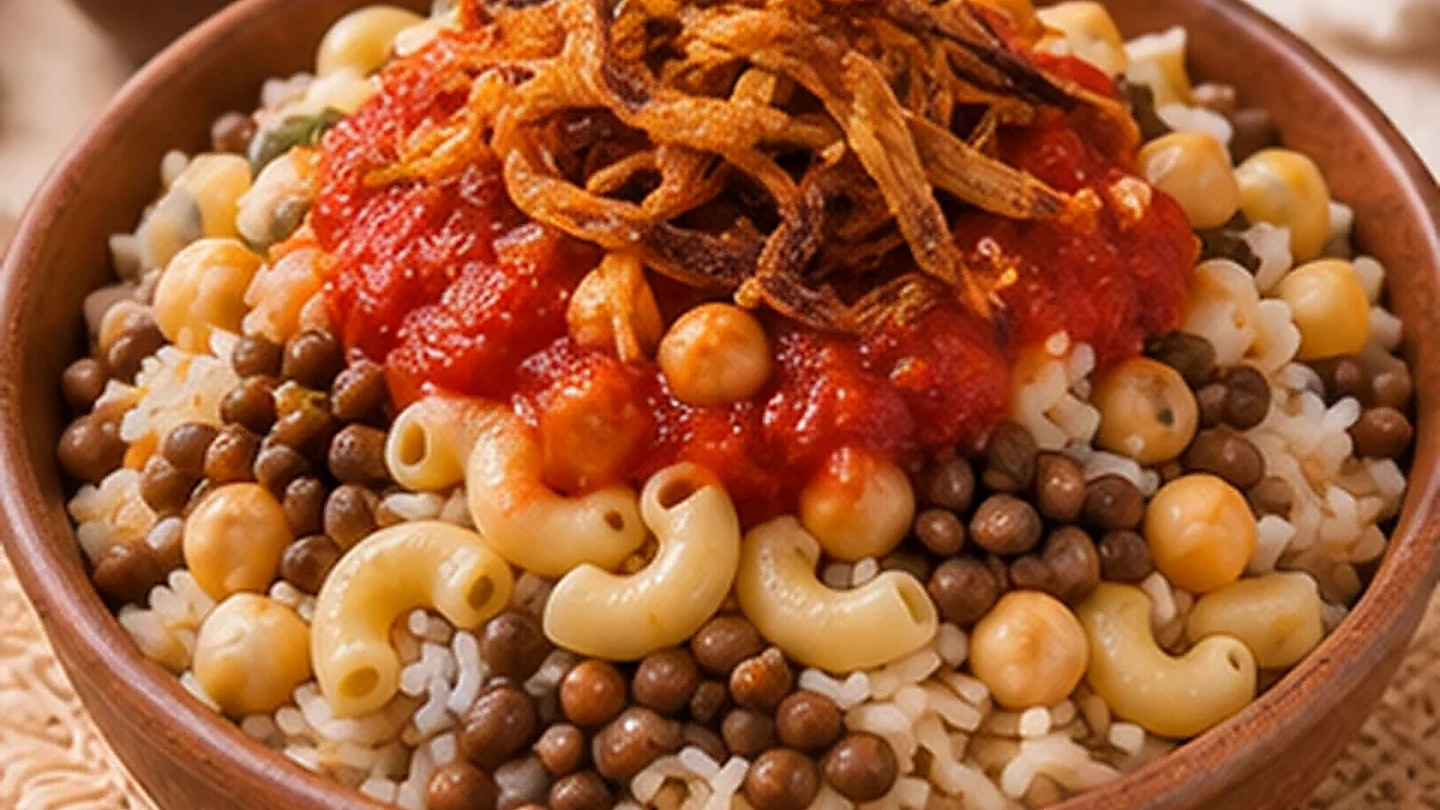 Authentic Egyptian Koshari🇪🇬 Egyptian Cuisine
Authentic Egyptian Koshari
A beloved Egyptian street-food classic layered with rice, lentils, pasta and chickpeas, finished with tomato sauce, garlicky vinegar dressing and crisp onions.
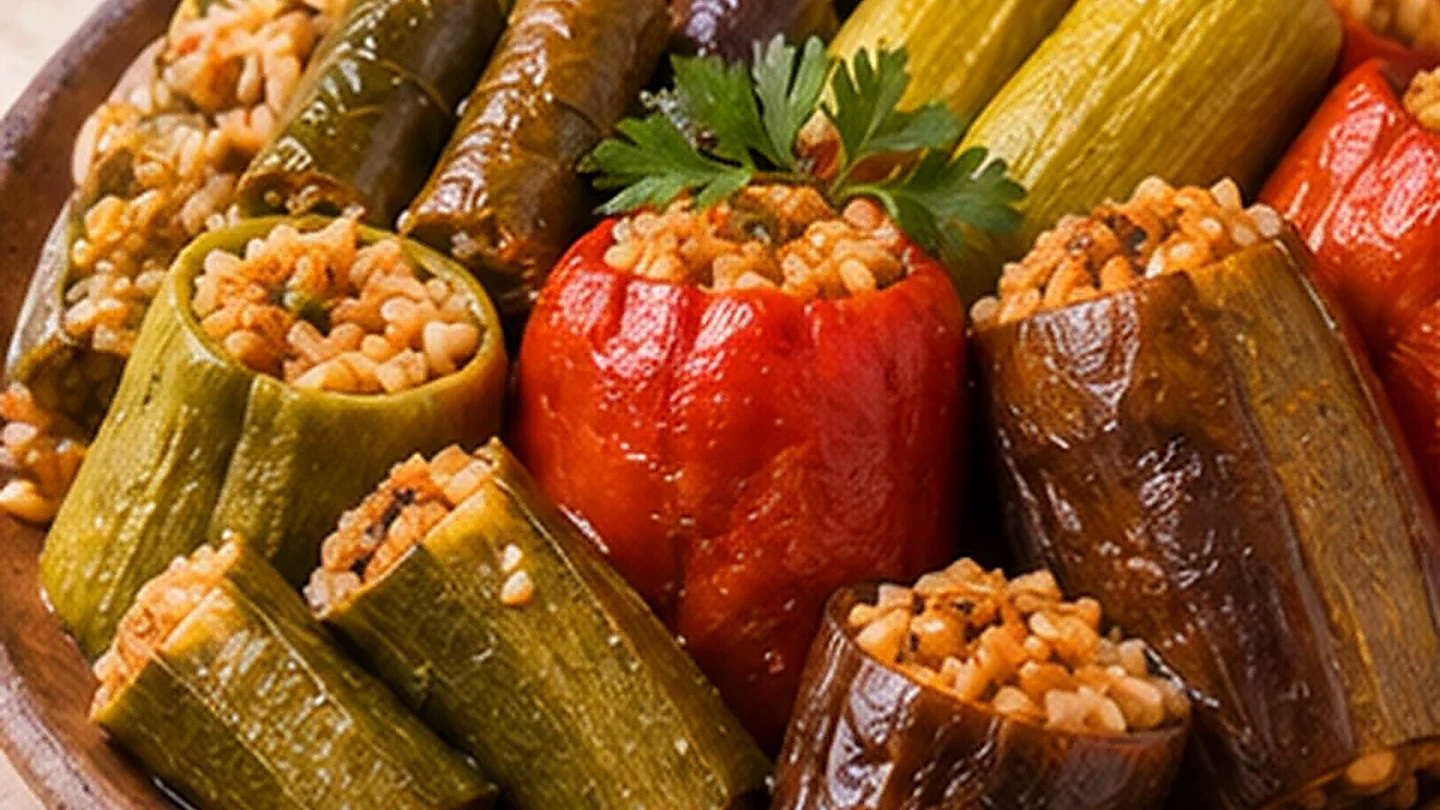 Egyptian Mixed Mahshi🇪🇬 Egyptian Cuisine
Egyptian Mixed Mahshi
Seasonal vegetables stuffed with rice, herbs and tomato, then gently simmered in seasoned broth until tender.
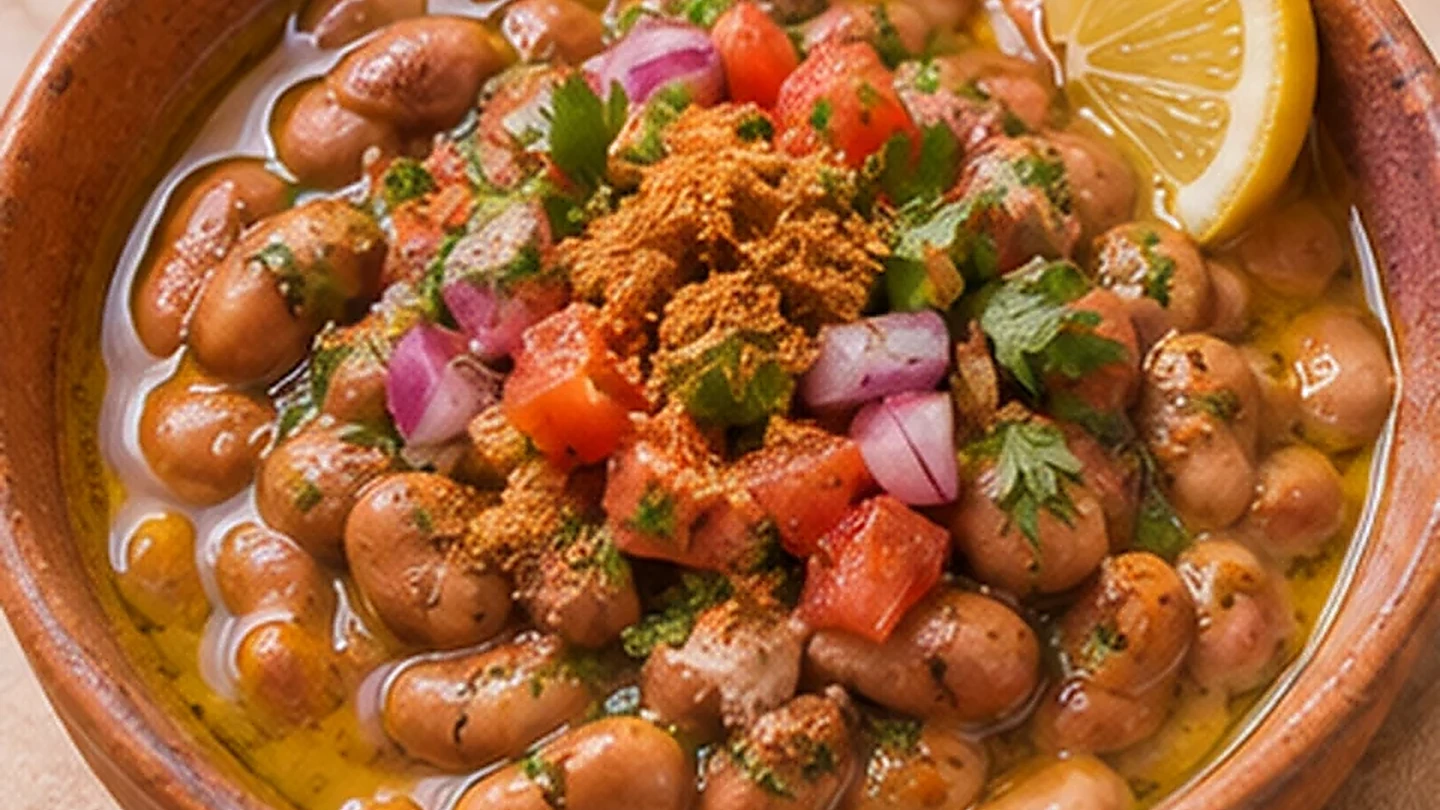 Egyptian Ful Medames🇪🇬 Egyptian Cuisine
Egyptian Ful Medames
Slow-cooked fava beans, partly mashed and dressed with lemon, cumin, garlic and olive oil, with optional tomato and parsley.
Note: Cooking times are estimates and vary with ingredient size, equipment and oven calibration. Follow doneness cues and use a food thermometer for meat and poultry.