Canadian Nanaimo Bars
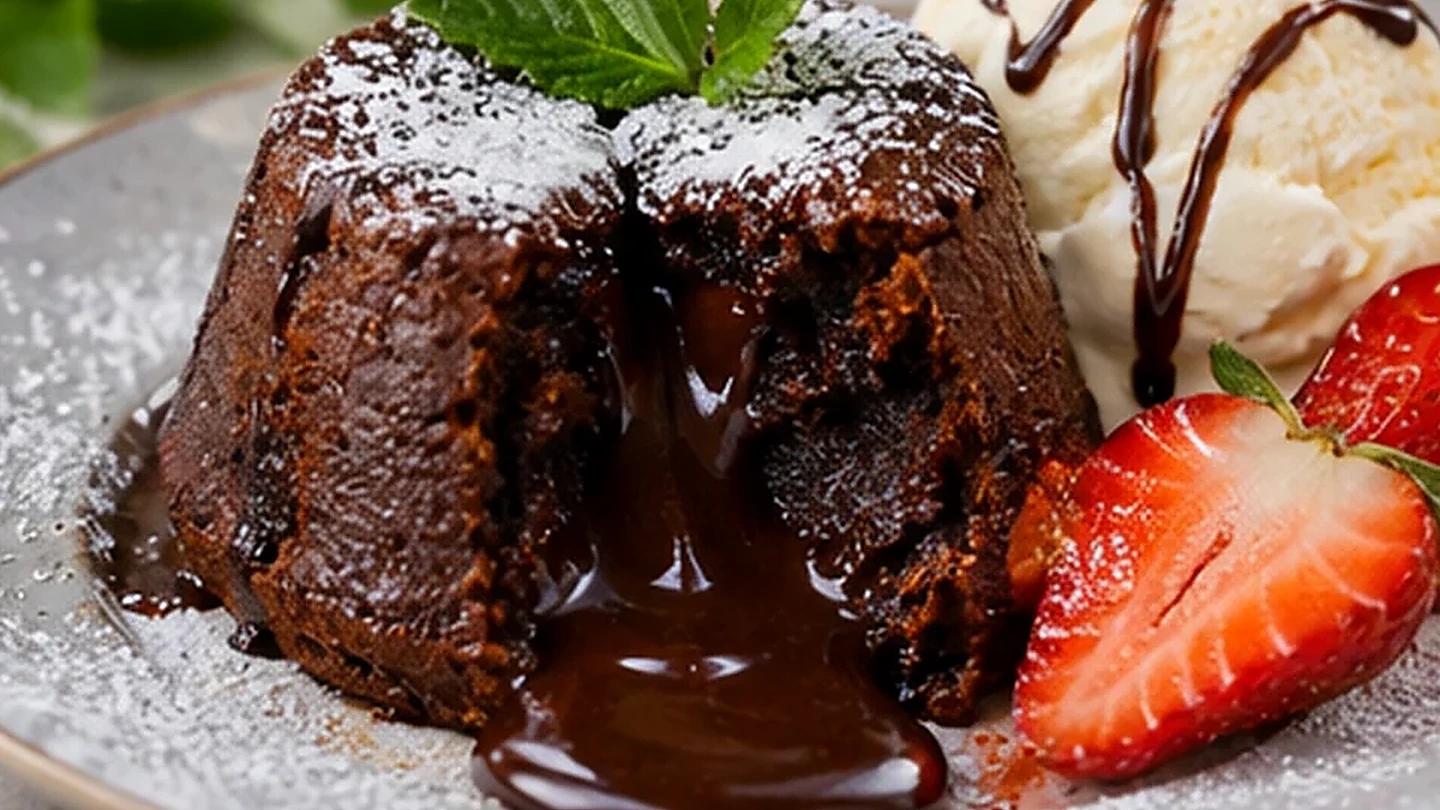
A chilled three-layer dessert with a cocoa-coconut crumb base, vanilla custard-style middle and a glossy chocolate top.
Ingredients
Check each ingredient as you prepare it.
Step-by-step instructions
Combine crumbs, coconut and cocoa.
Melt butter and mix with dry ingredients and pasteurized egg or a safe binder; press into a lined pan and chill.
Beat icing sugar, custard powder, milk and butter into a spreadable filling; spread and chill.
Melt chocolate with butter and spread a thin top layer.
Chill until set, then cut with a warm, dry knife.
✦ Tips for success
- Use pasteurized egg only if included in an uncooked mixture.
- Chill between layers.
⚠ Common mistakes to avoid
- A thick chocolate layer can crack when cut.
- Soft filling makes layers slide.
Substitutions and ideas
- Gluten-free biscuits can be used.
- Replace coconut with extra crumbs.
Serving suggestions
Serve small chilled squares once fully set, with unsweetened coffee or tea.
Storage and reheating
Store airtight in the refrigerator for 5 days or freeze for up to a month.
Frequently asked questions
Can Canadian Nanaimo Bars be prepared ahead?
Some components can be prepared and refrigerated in advance; finish the final cooking close to serving for the best texture. Use pasteurized egg only if included in an uncooked mixture.
What are suitable ingredient substitutions for Canadian Nanaimo Bars?
Gluten-free biscuits can be used. Replace coconut with extra crumbs.
You may also like
 Canadian Poutine🇨🇦 Canadian Cuisine
Canadian Poutine
Crisp fries topped with fresh cheese curds and hot brown gravy, served immediately so the cheese softens without disappearing.
 Canadian Butter Tarts🇨🇦 Canadian Cuisine
Canadian Butter Tarts
Small pastry shells filled with buttery brown sugar, egg and syrup, with raisins or pecans according to taste.
 Montreal Smoked Meat Sandwich🇨🇦 Canadian Cuisine
Montreal Smoked Meat Sandwich
Tender, spice-rubbed beef brisket cooked slowly, sliced thin and piled on rye bread with mustard and pickles.
Note: Cooking times are estimates and vary with ingredient size, equipment and oven calibration. Follow doneness cues and use a food thermometer for meat and poultry.